 Screening for Mental Health, Inc.
×
Screening for Mental Health, Inc.
×

PREVENTION & EDUCATION
College campuses represent distinct environments requiring specialized mental health screening approaches. Unlike workplace settings where employees maintain relatively stable daily routines, college students navigate constantly changing schedules, living situations, and social dynamics. Academic calendars create predictable stress cycles around exams, papers, and transitions between semesters, requiring strategic screening timing to capture students when mental health concerns often emerge or intensify.
The developmental stage of traditional college students adds complexity to screening program design. Late adolescence and emerging adulthood between ages 18 and 25 represent critical periods when many serious mental health conditions first manifest. Students simultaneously manage independence, identity formation, career planning, and relationship development while their brains complete final stages of development. Screening programs must account for these developmental considerations, using assessment tools validated for young adult populations and providing developmentally appropriate interventions.
College student diversity requires screening programs flexible enough to serve varied populations. Traditional residential students, commuter students, online learners, graduate students, international students, student-athletes, and non-traditional adult learners all attend American colleges, each group facing unique stressors and requiring tailored outreach approaches. Comprehensive college screening programs incorporate multiple access points and delivery methods ensuring all student populations can participate regardless of campus engagement patterns or living situations.
Multiple screening access points maximize student participation by embedding mental health assessment throughout campus touchpoints. New student orientation provides universal screening opportunities when entire incoming classes gather for programming. Residence hall check-ins, student health center appointments, academic advising sessions, and athletic physicals offer natural moments for screening integration. Some institutions implement pop-up screening events in high-traffic campus locations including student unions, libraries, and dining facilities.
Online screening availability ensures 24/7 access for students unable to attend in-person events or preferring private self-assessment. Web-based platforms allow students to complete screenings from residence halls, off-campus housing, or while traveling, removing logistical barriers to participation. This accessibility proves particularly important for commuter students, online learners, and students experiencing severe symptoms that make leaving their rooms difficult.
Comprehensive condition assessment addresses the range of mental health challenges affecting college populations. Quality college screening programs assess depression, anxiety disorders, eating disorders, substance use disorders, post-traumatic stress disorder, bipolar disorder, and suicidal ideation. Multi-condition screening recognizes that college students often experience comorbid conditions requiring integrated treatment approaches rather than single-issue interventions.
Screening programs should include assessment of factors specifically relevant to college populations including academic stress, social adjustment difficulties, homesickness, financial concerns, discrimination experiences, and sexual assault or relationship violence impacts. These contextual factors influence mental health and help institutions understand the full scope of challenges affecting student wellbeing.
PROMOTIONS & SUPPORT
Effective college screening programs function as front doors to campus counseling services rather than isolated assessment activities. Strong connections between screening initiatives and counseling centers ensure identified students receive timely follow-up and appropriate care. Many institutions designate specific counseling staff to manage screening follow-up, ensuring consistent, specialized attention to students identified through screening.
Stepped care models match intervention intensity to symptom severity identified through screening. Students showing mild symptoms receive psychoeducation, self-help resources, and wellness program recommendations. Those with moderate symptoms receive brief counseling interventions, group therapy options, or referrals to campus counseling centers for ongoing individual therapy. Students with severe symptoms or crisis indicators receive immediate priority appointments, safety planning, and intensive support.
Counseling centers must maintain adequate capacity to serve students identified through screening programs. Implementing screening without sufficient counseling resources creates ethical concerns by raising awareness of mental health needs without providing appropriate treatment access. Institutions should assess counseling center capacity before launching screening programs, expanding services as needed to meet anticipated demand increases following screening implementation.
Comprehensive college screening programs involve multiple campus departments and stakeholder groups working collaboratively toward student mental health goals. Student affairs divisions, academic affairs offices, residential life departments, student health centers, athletics departments, and diversity and inclusion offices all play roles in screening program success.
Faculty engagement proves critical as professors interact regularly with students and often notice concerning behavioral or performance changes. Training faculty to recognize mental health warning signs, encourage screening participation, and make appropriate referrals strengthens campus-wide mental health support systems. Some institutions provide faculty with desk cards listing mental health resources and referral processes, making it easy to connect struggling students with screening programs and counseling services.
Residential life staff including resident assistants and hall directors serve as important gatekeepers identifying students showing warning signs and promoting screening participation. These paraprofessional staff members receive training in mental health basics, screening program details, and response protocols when students disclose mental health concerns or show crisis warning signs.
Peer education programs leverage student voices to promote screening and reduce stigma. Trained peer educators conduct outreach in residence halls, student organizations, and campus events, sharing personal mental health experiences when appropriate and encouraging peers to utilize available resources. Peer-led initiatives often achieve greater student engagement than administrator-driven programs, as students respond positively to messages from trusted peers.
College screening programs must serve increasingly diverse student bodies through culturally responsive approaches recognizing how identity, background, and experiences influence mental health and help-seeking. Programs should offer screening materials in multiple languages, ensure representation in promotional materials, and train staff in cultural competence regarding mental health across different communities.
International students face unique stressors including language barriers, cultural adjustment, immigration concerns, distance from family support systems, and potential stigma regarding mental health in their home cultures. Targeted outreach to international student populations, culturally adapted screening approaches, and connections with international student services offices ensure these students access mental health support.
Graduate students experience different pressures than undergraduates, including research demands, teaching responsibilities, imposter syndrome, career uncertainty, and work-life balance challenges. Screening programs should include graduate-specific outreach and resources addressing their distinct needs and schedules.
LGBTQ+ students, students of color, first-generation college students, and student-athletes all experience elevated mental health risk factors requiring intentional outreach and culturally responsive support. Partnerships with identity-based student resource centers and affinity organizations help screening programs reach and serve these populations effectively.
Modern college screening programs leverage technology platforms familiar to digitally native student populations. Mobile-optimized screening tools, social media promotion campaigns, text message reminders, and app-based assessment options meet students through their preferred communication channels. Gamification elements and interactive features can increase engagement while maintaining screening validity and clinical utility.
Data analytics capabilities enable institutions to track participation patterns, identify trends in student mental health needs, evaluate program effectiveness, and allocate resources strategically. Predictive analytics may identify students at elevated risk based on screening responses combined with other available data, though such approaches require careful implementation with attention to privacy and bias concerns.
RISK MANAGEMENT & LIABILITY
College screening program evaluation should examine multiple outcome measures including screening participation rates across student demographic groups, percentage of identified students who access counseling services, student satisfaction with screening experiences, changes in campus mental health climate, and broader indicators such as student retention and academic performance among program participants.
Regular program assessment identifies strengths, challenges, and improvement opportunities. Student feedback through focus groups and surveys provides valuable insights into barriers to participation, experiences with follow-up care, and suggestions for program enhancement. This continuous quality improvement approach ensures programs remain responsive to evolving student needs and campus contexts.
College mental health screening programs represent strategic investments in student success and institutional mission fulfillment. By systematically identifying students experiencing mental health challenges and facilitating access to appropriate support, these programs help students persist academically, develop personally, and thrive during transformative college years. Comprehensive screening programs create campus cultures normalizing mental health conversations, reducing stigma, and ensuring all students can access the support they need to succeed.

FEATURED PROGRAMS
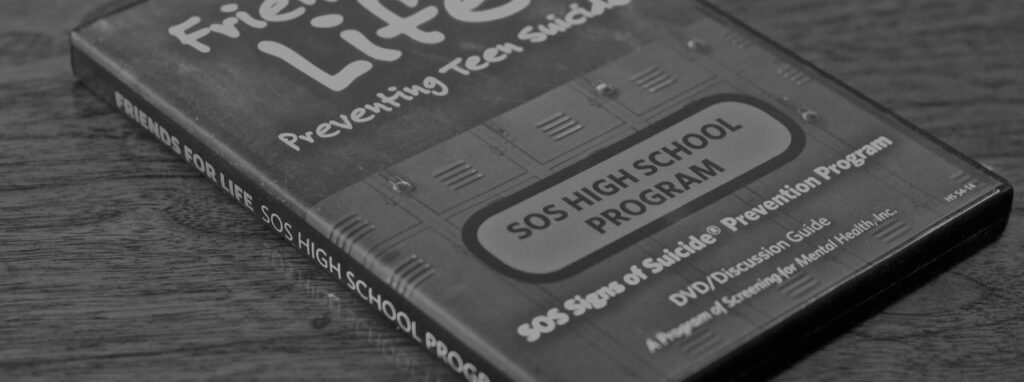
SOS Second Act is designed to build resiliency in young adults. In addition to reviewing the signs and symptoms of depression and suicidality, students are prompted to discuss substance abuse and other risky behaviors. Students are provided with a solid foundation on health care basics, health insurance, and self-care tips on seeking mental health treatment in the “real world.”
The Online Parent Brief Screen for Adolescent Depression (BSAD) allows parents to assess their child for suicide or depression risk factors. After parents complete a series of questions online, the screening provides results, local referral options (determined by each school), and relevant, educational information.