 Screening for Mental Health, Inc.
×
Screening for Mental Health, Inc.
×

PREVENTION & EDUCATION
Middle school represents a particularly vulnerable developmental period when many mental health conditions first emerge. Research indicates that approximately half of all lifetime mental health disorders begin by age 14, making middle school years critical for early identification and intervention. Young adolescents experience dramatic physical changes through puberty, navigate increasingly complex social relationships, develop greater independence from families, and face new academic pressures as they transition from elementary to secondary education.
These developmental changes create stress and uncertainty that can overwhelm young adolescents’ still-developing coping skills. The Centers for Disease Control and Prevention reports concerning increases in suicide rates among children aged 10 to 14, with suicide becoming a leading cause of death even in this young age group. These statistics underscore the urgent need for suicide prevention programs reaching students early in adolescence before mental health challenges escalate.
Middle school students also face unique challenges in recognizing and communicating about mental health concerns. Young adolescents may lack vocabulary for describing complex emotions, struggle to distinguish normal developmental stress from clinical depression, and feel intense pressure to fit in with peers rather than seeking adult help. Age-appropriate prevention programs address these specific challenges through content and delivery methods designed for middle school developmental stages.
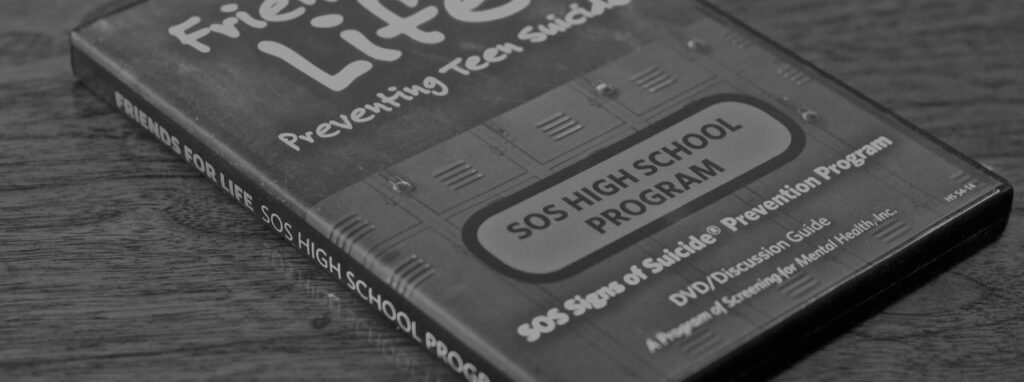
The middle school SOS program adapts core prevention content to match young adolescents’ cognitive, emotional, and social development. This careful adaptation ensures students can understand, retain, and apply suicide prevention knowledge at their developmental level.
Simplified language and concepts make mental health information accessible to younger adolescents. The middle school curriculum avoids complex psychological terminology, instead using clear, concrete language that resonates with students in this age group. Explanations of depression and suicide focus on observable behaviors and recognizable feelings rather than abstract concepts that might confuse younger students.
Video content features middle school-aged characters facing situations relevant to this developmental stage. Scenarios depict young adolescents navigating friendship challenges, academic pressures, family changes, bullying, and early romantic relationships. These relatable situations help students recognize that mental health challenges can affect anyone while showing warning signs in contexts familiar to middle schoolers.
Interactive elements maintain engagement among middle school students who benefit from active participation rather than passive lecture-style learning. The curriculum incorporates discussion activities, partner conversations, and guided reflection exercises that keep students involved while processing sensitive content. These interactive components also provide opportunities for students to ask questions and clarify understanding in supportive environments.
The middle school SOS program prioritizes building foundational mental health literacy appropriate for students just beginning to develop sophisticated understanding of psychological wellbeing. Education focuses on helping young adolescents recognize that mental health matters, understand basic concepts about depression and anxiety, and learn that mental health conditions are treatable medical illnesses rather than personal failures.
Normalizing emotional experiences helps middle school students understand that experiencing difficult emotions represents a normal part of adolescence while learning to distinguish temporary sadness or stress from clinical depression requiring professional help. The curriculum teaches students that everyone feels sad, worried, or overwhelmed sometimes, but persistent symptoms interfering with daily functioning warrant attention and support.
Young adolescents learn that brains, like other body parts, can experience medical problems requiring treatment. This framework reduces stigma by positioning mental health conditions as health issues similar to physical illnesses like diabetes or asthma. Students learn that just as they would seek help for broken bones or persistent physical pain, they should seek help for persistent emotional pain or concerning mental health symptoms.
Warning signs education teaches middle school students to recognize specific indicators of suicide risk in age-appropriate terms. Rather than overwhelming students with extensive lists of symptoms, the curriculum focuses on core warning signs most observable and understandable for this age group including talking about wanting to die, withdrawing from friends and favorite activities, giving away important possessions, and sudden dramatic mood or behavior changes.
PROMOTIONS & SUPPORT
The ACT framework provides middle school students with a clear, memorable action plan when they encounter suicide warning signs. This structured approach proves particularly valuable for young adolescents who need concrete guidance rather than abstract principles when facing concerning situations.
Acknowledge teaches students to take warning signs seriously rather than dismissing concerning behaviors as jokes, attention-seeking, or normal adolescent drama. Middle school students learn that even if someone seems to be joking about suicide, such comments always warrant serious attention and adult notification. The curriculum emphasizes that acknowledging another person’s pain shows caring and can provide comfort to someone struggling.
Care instruction focuses on practical ways middle school students can show support to peers experiencing distress. Students learn basic supportive responses including listening without judgment, expressing concern, staying with the person, and offering reassurance that help is available. The curriculum acknowledges that while young adolescents cannot solve peers’ mental health problems, their caring presence and willingness to help connect friends with adults can make critical differences.
Tell emphasizes identifying and informing trusted adults about concerning situations. The middle school program helps students identify appropriate adults including parents, school counselors, teachers, coaches, and other authority figures who can provide professional help. Instruction addresses common middle school concerns about telling adults, particularly fears of betraying friends’ trust or getting peers in trouble. Students learn that telling protects friends’ safety and potentially saves lives, reframing adult notification as the ultimate act of friendship and caring.
Mental health screening within the middle school SOS program requires special consideration regarding developmental appropriateness and parental involvement. Young adolescents may need additional support understanding screening questions, and schools typically involve parents more actively in the screening process for this age group compared to high school implementations.
Age-appropriate screening instruments use simplified language and shorter formats suited to middle school attention spans and reading levels. Questions focus on observable symptoms and concrete experiences rather than abstract psychological concepts. Screening tools validated specifically for young adolescent populations ensure accuracy in identifying depression and suicide risk in this age group.
Parental consent and involvement receive greater emphasis in middle school implementations. Many schools require active parental consent before screening middle school students, ensuring parents understand the program and approve participation. Schools also maintain close communication with parents following screening, particularly when students show elevated risk.
Beyond individual student education, the middle school SOS program contributes to creating school cultures where mental health receives appropriate attention and students feel safe seeking help. Middle schools implementing SOS often report increased student willingness to approach adults with mental health concerns, greater peer support when students struggle, and reduced mental health stigma among young adolescents.
Staff training prepares middle school educators to recognize developmental considerations in youth mental health, respond appropriately to disclosures from young adolescents, and create classroom environments where students feel comfortable discussing mental health topics. Teachers learn strategies for supporting students showing warning signs while maintaining appropriate professional boundaries and referring to mental health specialists when needed.
Middle school counselors, social workers, and psychologists play essential roles in screening follow-up and ongoing support for identified students. These professionals conduct age-appropriate risk assessments, coordinate with families, and connect students with community mental health services when necessary.
RISK MANAGEMENT & LIABILITY
Research on middle school SOS implementation demonstrates positive outcomes including increased knowledge about depression and suicide, improved attitudes toward help-seeking, and reduced suicide risk behaviors. By reaching students early in adolescence, the program builds foundations for lifelong mental health awareness and appropriate help-seeking that benefits young people throughout their development.
The middle school SOS program provides young adolescents with essential suicide prevention knowledge and skills during a critical developmental period. Through age-appropriate content, engaging delivery methods, and comprehensive support systems, the program protects vulnerable youth while building healthier school communities where mental health matters and help remains accessible to all students who need it.

FEATURED PROGRAMS
SOS Second Act is designed to build resiliency in young adults. In addition to reviewing the signs and symptoms of depression and suicidality, students are prompted to discuss substance abuse and other risky behaviors. Students are provided with a solid foundation on health care basics, health insurance, and self-care tips on seeking mental health treatment in the “real world.”
The Online Parent Brief Screen for Adolescent Depression (BSAD) allows parents to assess their child for suicide or depression risk factors. After parents complete a series of questions online, the screening provides results, local referral options (determined by each school), and relevant, educational information.